




Avoid fines: Newham Council parking rules for removals
Posted on 30/07/2026
If you are moving house, flat, or office in Newham, parking can make the whole day feel calm or chaotic. One missed detail, one van left in the wrong place, and suddenly the move is running late, stressed, and potentially expensive. This guide to Avoid fines: Newham Council parking rules for removals breaks down what usually matters, what trips people up, and how to plan your loading and unloading so the day stays on track.
To be fair, most removal problems are not caused by the furniture itself. They come from the road outside: suspended bays, controlled parking zones, access restrictions, and that awkward five-minute gap when the driver is circling for a legal spot. If you know how the local rules tend to work, you can save time, protect your move schedule, and avoid the kind of fine nobody wants to explain after a long day with boxes everywhere.
In this article, you will find a practical breakdown of the key parking considerations, a step-by-step planning flow, a simple checklist, and real-world guidance for different types of removals in Newham.
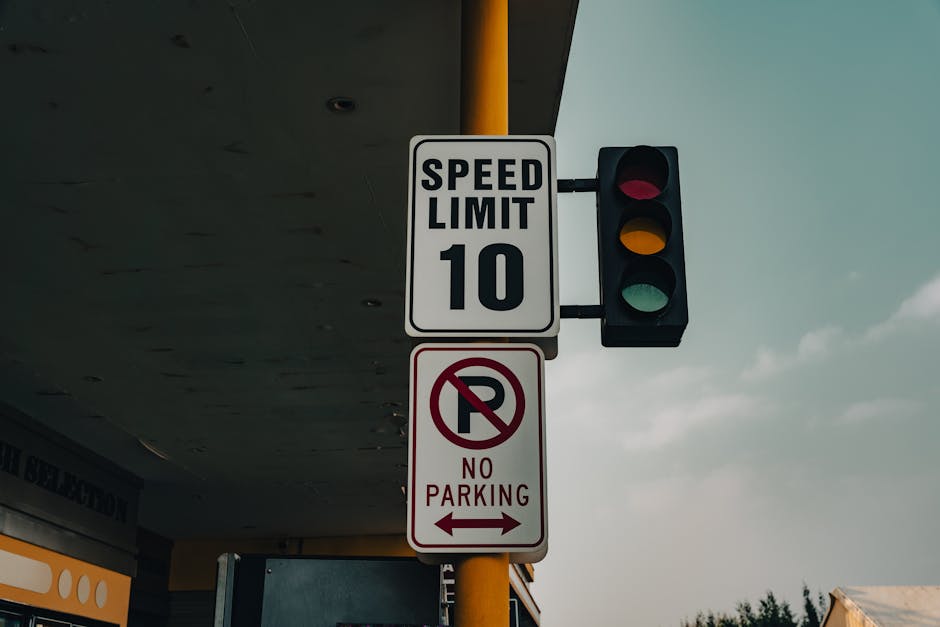
Why Avoid fines: Newham Council parking rules for removals Matters
Parking is often the hidden risk in a removal. People spend weeks packing, wrapping, and planning the keys handover, then assume the van can simply stop outside. In Newham, that can be a costly assumption. Depending on the street, the time of day, and the restrictions in place, a van may only be allowed to wait briefly, may need a permit or bay suspension, or may have to use a loading arrangement that is tightly controlled.
That matters for two reasons. First, a parking mistake can lead to a penalty or enforcement action. Second, even if no fine appears straight away, the delay can snowball: porters wait on the pavement, the lift booking is missed, and the whole chain of the move starts slipping. If you have ever watched a sofa hover awkwardly in a doorway while someone runs down the street checking signs, you will know the feeling. Not ideal.
This is especially important on busy routes and residential streets where parking pressure is already high. Areas around commuter routes, stations, and tighter terraced roads can be less forgiving than people expect. A short loading stop that feels harmless to you may still be treated as a contravention if it blocks traffic, ignores restrictions, or exceeds what is permitted.
For that reason, planning parking is not just a compliance box. It is part of move-day logistics. It supports timing, safety, and cost control, and it can make the difference between a smooth move and an all-day scramble.
How Avoid fines: Newham Council parking rules for removals Works
While the exact details can vary by street and by the type of restriction in force, the basic logic is straightforward: if a removal van is going to stop on a public road, you need to understand whether that stop is allowed, for how long, and under what conditions. In practice, the key questions are:
- Is the road in a controlled parking zone or subject to waiting restrictions?
- Can the van stop for loading only, or does it need a permit, bay suspension, or dispensation?
- Is the stop likely to block access, buses, crossings, or neighbouring driveways?
- Will the vehicle be there long enough to create a parking issue?
- Are there time restrictions that affect morning, daytime, or evening removals?
For a house move, the problem is often duration. A quick lift of a couple of suitcases may be fine in one context, but a full property clearance with mattresses, wardrobes, white goods, and boxes is a different story. The bigger the job, the more likely you are to need proper parking planning rather than just a hopeful stop-and-go.
Many removals work best when the vehicle is positioned legally before the heavy lifting begins. That might mean booking ahead, arriving early, using a loading bay where appropriate, or choosing a more suitable spot for a larger van. In real terms, this is why good movers always look at access before the first box is touched. It is not glamorous, but it saves hassle.
If you are already planning your move, it helps to pair parking planning with the rest of your preparation. A guide like essential packing tips for a smoother move can help you stage items properly so the loading window is used efficiently. Likewise, if you are trying to reduce what needs shifting in the first place, streamlining your belongings before the big move is worth a read.
Key Benefits and Practical Advantages
Getting parking right does more than keep the council happy. It improves the whole removal day. Here are the main benefits, in plain English.
- Lower fine risk: The obvious one. If the van is parked or loading legally, you avoid avoidable enforcement issues.
- Better timing: The crew can work without stop-start interruptions and without having to re-park halfway through.
- Less lifting distance: A good position close to the entrance means fewer steps with heavy items. Your back will thank you later.
- Fewer conflicts with neighbours: Careful parking reduces blocked driveways, gate access problems, and irritated passers-by.
- Safer handling: Shorter carry distances usually mean less chance of damage to furniture, walls, or the item itself.
- More accurate scheduling: If you have a lift booking, completion deadline, or office handover, parking control helps everything line up properly.
A practical benefit people often overlook is energy. Removing parking uncertainty from the day gives everyone more headspace. That sounds soft, maybe, but it is real. When the van is sorted and the route is clear, people move with more confidence and less rushing. And rushed moves are where mistakes happen.
For larger or more delicate items, the benefit is even clearer. A move involving a piano, for example, becomes much easier when the van can get into a sensible position. If you are dealing with something awkward or valuable, professional piano moving help may be a smarter choice than improvising on the pavement.
Who This Is For and When It Makes Sense
This topic is relevant to almost anyone moving in Newham, but it is especially useful if you are:
- moving from a flat on a busy street
- using a van rather than a full-scale lorry
- planning a same-day or tight-schedule move
- moving into or out of a controlled parking zone
- relocating an office, studio, or small business premises
- loading bulky furniture from an upper floor
- trying to avoid unnecessary costs on an already expensive day
It also makes sense if you are the type of person who likes to keep things tidy and predictable. Not everyone does. Some people prefer to wing it and hope for the best. That approach can work on a very quiet street at a very kind hour, but it is not exactly a strategy.
Students moving between rentals, tenants aiming for a smooth check-out, and families with limited parking outside their home all benefit from the same principle: if the van has a legal place to stop, the rest of the move gets easier. If you need a broader overview of removal services, the services overview is a useful starting point, while house removals support may be more relevant for a full home move.
Step-by-Step Guidance
Here is a practical way to handle parking for a removal in Newham without turning the day into a guessing game.
- Check the street in advance. Look at the road outside both properties. Note signs, permit bays, yellow lines, loading rules, and any obvious restrictions. Do not assume the same rules apply on both sides of the street.
- Work out the size of the vehicle. A small van and a larger removal van do not always need the same access. A longer vehicle may create overhang issues or need more turning space than expected.
- Plan the loading sequence. Put the largest or heaviest items near the exit first, so the van can be loaded quickly once it is in place. If the van is only there for a limited window, speed matters.
- Check timing carefully. Restrictions may differ by time of day, weekday, or weekend. A route that is fine at one time may be restricted at another. A small detail, but a big one.
- Decide whether you need a permit or dispensation. For some moves, informal loading may be enough. For others, a more formal arrangement is safer. If you are unsure, do not leave it to the morning of the move.
- Keep communication tight. Make sure the driver, the moving team, and anyone meeting you at the destination all know where the van should stop and what to do if the space is taken.
- Build in a backup plan. If your first choice spot is unavailable, identify an alternative legal stopping point nearby. A backup on the same street can save real time.
If your move is time-sensitive, it can help to think about it in stages. Packing, route planning, and access are all part of one system. A good move usually starts before the van arrives. There is no magic to it, just method.
For example, someone moving from a first-floor flat near a busy road may need to coordinate loading around neighbours' cars, narrow access, and a short holding point. If that same person has already boxed correctly and arranged the furniture in order, the loading time drops. That in turn reduces the parking pressure. Everything feeds into everything else.
Expert Tips for Better Results
Over time, a few habits make parking issues far less likely.
- Use the shortest practical carry route. When planning where the van stops, think about the route from front door to tail lift or rear doors. A few metres can make a surprising difference.
- Don't block the obvious things. Driveways, dropped kerbs, crossings, and corner visibility matter. Even if the road looks empty, the stop may still be a bad idea.
- Leave time for the unexpected. A neighbour may be unloading, a bin lorry may be nearby, or another vehicle may have taken the best space. Happens all the time.
- Protect fragile items with the right loading order. If you have read packing tips for moving day, you know the value of padding and sequence. That becomes even more important when loading has to happen quickly.
- Keep documents and permissions handy. If a permit or agreement has been arranged, have it ready to show if needed. Scrambling through email on the pavement is not a great look.
- Match the vehicle to the street. In some areas, a compact van may be the smarter choice even if it means one extra trip. Less drama, less stress.
One of the best bits of practical advice? Walk the route before the move if you can. Stand outside, look at the bay markings, listen to the traffic, and think about where people actually stand or park. What seems obvious on a screen can look very different at 8am in the rain.
Expert summary: the safest removal parking plan is the one that balances legality, loading speed, and access. If one of those three is weak, the whole day becomes harder than it needs to be.
For furniture-heavy jobs, it can also help to review item handling before the day. Kinetic lifting techniques are useful for understanding how to move heavy items with less strain, especially if the van is parked a short walk away.
Common Mistakes to Avoid
Here are the errors that cause the most trouble on removal day.
- Assuming loading is always allowed. A short stop does not automatically mean a legal stop.
- Ignoring street signs. This sounds obvious, but when people are rushed, signs become background noise. That is when fines happen.
- Not checking both ends of the move. The old address may be fine, while the new one is a nightmare, or the other way round.
- Leaving parking until the morning of the move. By then, you are on the clock and under pressure. Not ideal for decision-making.
- Using a vehicle that is too big for the street. Bigger is not always better. Sometimes it is just harder to place legally.
- Forgetting about neighbours. If you block access, you can create complaints even if no fine is issued. That can complicate the day.
- Skipping the backup plan. If the nearest legal space is gone, you need another option already in mind.
There is also a psychological mistake: assuming a small problem can be fixed later. With parking, later often means delays, extra lifting, and people getting tired. And tired people make heavier things feel even heavier.
Tools, Resources and Recommendations
You do not need a complicated toolkit to plan removal parking well, but a few simple resources make the process much smoother.
- A written move plan: include arrival time, loading order, van size, and the exact place the driver should stop.
- Printed or saved street notes: a quick note of signs, bays, and restrictions from your pre-visit can be a lifesaver on the day.
- Phone access to the booking info: keep confirmations, timings, and any relevant parking permissions easy to find.
- Moving boxes and labels: if boxes are clearly labelled, the team can load faster, which reduces how long the van needs to stay put. Packing and boxes support can help with that side of the job.
- Storage options: if your move is staged over several trips, or if the new place is not ready, storage solutions may reduce same-day pressure.
- Safe handling guidance: reading about solo lifting techniques can help if you are dealing with lighter items on your own before the main crew arrives.
If you are trying to reduce the overall moving load before the vehicle even arrives, it is also worth reviewing how to clean your house before moving out. That kind of preparation often reveals items that can be donated, recycled, or left behind responsibly rather than carried across town.
Law, Compliance, Standards, or Best Practice
Parking and loading rules are not something to guess at. In London, local authorities manage public roads through a mix of waiting restrictions, permit schemes, loading exemptions, and enforcement rules. Newham is no exception. The practical point is simple: what matters is the sign on the street, the restriction in force, and whether your planned stop fits within the permitted use.
Best practice for removals is to treat parking as part of compliance, not a side issue. That means checking the road in advance, not relying on memory, and not assuming that because another van was there last week, your move is automatically fine today. Streets change, signs change, and timing changes.
For business moves, the stakes can be a little higher. An office relocation can involve staff access, deliveries, and building management rules on top of street parking. If you are dealing with premises rather than a home, office relocation planning is especially worth considering, because the access side can be just as important as the packing side.
Where safety is concerned, the standard should always be clear access, sensible lifting distances, and no unnecessary obstruction. If a parking choice makes the loading route unsafe, it is the wrong choice, even if it looks efficient on paper. Safety first, every time. Bit dull to say, but very true.
Options, Methods, or Comparison Table
When planning a removal in Newham, you will usually be choosing between a few different parking approaches. The best one depends on the road, the size of the job, and how much time you have.
| Approach | Best for | Strengths | Trade-offs |
|---|---|---|---|
| Short loading stop | Small moves with minimal items | Quick and simple if restrictions allow it | Limited time, not suitable everywhere |
| Pre-arranged permit or bay arrangement | Larger home moves or busy streets | More secure planning and less uncertainty | Requires advance preparation |
| Nearby legal parking with longer carry | Tricky streets or restricted zones | Sometimes the most realistic option | More walking, more time, more effort |
| Smaller vehicle with multiple trips | Very tight access roads | Easier to place legally | More trips, more coordination |
There is no perfect option for every property. A ground-floor flat on a quieter road may work well with a short loading stop, while a top-floor apartment on a busy street may need more planning. If you are moving a compact set of belongings from a student room, a smaller vehicle can often be the neatest solution. If that sounds like your situation, student removals support may be a better fit than a full-scale lorry arrangement.
As a rule of thumb, choose the method that gives you the best mix of legality, access, and speed, not just the cheapest-looking option. Cheap gets expensive very quickly if it creates a ticket or a two-hour delay.
Case Study or Real-World Example
Imagine a straightforward Saturday move from a two-bedroom flat in Newham. The van arrives a little before the booked handover window, but the street is narrow and already busy with resident cars. The team has boxes ready, the sofa is wrapped, and the beds are dismantled. Sounds organised, which it is.
Instead of pulling up at the first empty space, the driver checks the signs, confirms where loading is most sensible, and chooses a position that keeps the entrance clear without blocking driveways. Because the packing was done in advance, the loading takes less time than expected. The van is on site for a shorter window, and there is less temptation to cut corners.
Now compare that with the alternative. No advance check, no backup space, and everyone carrying a wardrobe halfway down the road because the original spot was not suitable. More fatigue, more risk, more chance of a parking issue. Same move, very different experience.
That difference is why parking planning is so important. It is not just about avoiding fines. It is about reducing the friction that makes moving day feel like hard work before the real hard work even starts.
If the job is more specialised, such as moving delicate furniture or a heavy item, the access plan matters even more. A sensible layout plus proper handling can save damage and stress. You can see the broader approach in guides like moving homes effortlessly and transitioning a bedroom setup during a move.
Practical Checklist
Use this before move day. Seriously, print it or save it somewhere obvious.
- Check parking signs at both addresses
- Confirm whether loading is allowed at the planned time
- Decide if a permit, dispensation, or bay arrangement is needed
- Measure access for the van size you are using
- Choose the best loading point, not just the closest one
- Plan a backup legal stopping place nearby
- Label boxes so loading is quicker
- Keep booking details and any permissions accessible on your phone
- Tell everyone involved where the van will stop
- Allow extra time for tight streets, traffic, or parking pressure
- Protect fragile items before they leave the property
- Double-check the destination as well as the departure point
A tiny bit of advance work here can save a lot of stress later. And yes, it is usually the unglamorous jobs that matter most.
If you are preparing items for longer storage between properties, sofa storage techniques and safe freezer storage during downtime can be useful companions to your move plan.
Conclusion
Parking rules are one of those moving-day details that feel small until they are not. In Newham, a careful approach to loading space, waiting restrictions, and vehicle placement can help you avoid fines, reduce delays, and keep the removal itself much calmer. The best moves are rarely the most complicated ones; they are the ones where the basics were handled properly from the start.
If you are preparing a move in West Ham or elsewhere in Newham, take the parking question seriously. Walk the street, read the signs, plan the loading point, and leave yourself a fallback option. That simple habit will usually do more for your day than frantic problem-solving at the kerbside. A bit of prep goes a long way, honestly.
Get a free quote today and see how much you can save.