Health and Safety Policy for Man With A Van West Ham
 At Man With A Van West Ham, health and safety is central to every move we undertake. This policy sets out the principles and standards we follow to protect our team, customers, property, and the public. We are committed to maintaining a safe working environment by identifying risks early, applying sensible controls, and promoting a culture where safety is always considered before, during, and after each job.
Our approach is built on prevention, awareness, and responsibility. Every task, whether it involves lifting, loading, transporting, or unloading, is assessed for potential hazards. We expect all workers to act carefully, communicate clearly, and stop any activity that could cause injury or damage. This policy applies to all van moving operations and supports consistent decision-making across every assignment.
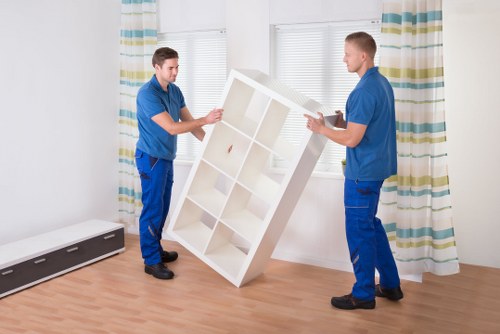 We recognise that a safe moving service depends on preparation and cooperation. Before any job begins, the condition of the property, access routes, loads, and equipment should be checked. Any concerns must be reported immediately and addressed before work continues. Our commitment is to ensure that safety measures are practical, proportionate, and suitable for the task in hand.
Core Safety Responsibilities
Everyone working under the Man With A Van West Ham name has a duty to act responsibly and follow safety procedures. This includes using safe lifting methods, wearing suitable footwear, keeping work areas clear, and securing items properly inside the vehicle. Staff must never take unnecessary risks, rush a job, or ignore unsafe conditions. Safety expectations also apply to subcontracted helpers and any temporary personnel involved in the moving process.
Managers and supervisors are responsible for ensuring that work is planned sensibly and that team members are fit, trained, and equipped for the task. Risk assessments should be completed where needed, especially for heavy, awkward, fragile, or high-value items. Equipment such as straps, blankets, trolleys, gloves, and protective gear should be checked regularly and used correctly. Unsafe or damaged equipment must be removed from service until it is safe to use again.
Customers also play an important role in the process. They should make us aware of any access issues, fragile items, parking restrictions, or items requiring special handling. Clear communication helps reduce delays and improves safety for everyone involved. A well-managed move is one where all parties understand their responsibilities and work together with care.
Working Practices and Risk Control
 A key part of this policy is controlling the common risks associated with manual handling and vehicle use. Items should be lifted using correct posture, with assistance provided for bulky or heavy loads. Where possible, load distribution should be balanced to reduce movement during transit. Vehicles must not be overloaded, and loads should be secured to prevent shifting, falling, or blocking visibility. Drivers must remain alert and comply with safe driving standards at all times.
We also focus on preventing slips, trips, and falls. Routes into and out of properties should be checked for obstructions, poor lighting, wet surfaces, or unstable steps. When conditions are unsafe, additional precautions must be taken, or the task should be paused until the hazard is reduced. Good housekeeping is essential, and any packaging, wrapping materials, or loose items should be cleared away promptly to keep the worksite tidy.
Another important area is protecting goods from damage and reducing the chance of injury during handling. Fragile items should be wrapped, labelled, and stacked carefully. Sharp objects, awkward furniture, and electrical items require extra attention and should only be moved by personnel who understand how to handle them safely. Risk awareness is not optional; it is part of professional service delivery.
Training, Reporting, and Incident Response
All staff involved in moving work must receive appropriate safety instruction and refresher training where required. Training should cover lifting techniques, load security, vehicle checks, emergency procedures, and how to recognise unsafe situations. A knowledgeable team is better prepared to make sound judgments and carry out each move in a controlled and reliable way.
We encourage prompt reporting of hazards, near misses, injuries, and damage, no matter how minor they may seem. Reporting helps us learn from incidents and improve our working methods. If an accident occurs, the immediate priority is to make the area safe, provide assistance if needed, and record the details accurately. The incident should then be reviewed so that corrective actions can be introduced where necessary.
Where repeated issues are identified, additional controls may be introduced, including revised loading methods, extra equipment, or changes to scheduling. This ongoing review process ensures that safety standards remain effective and relevant.  By treating incidents as learning opportunities, Man With A Van West Ham strengthens its ability to deliver a dependable and safe service.
Monitoring and Review
Health and safety procedures are monitored regularly to confirm that they remain suitable for the types of jobs we complete. Checks may include vehicle condition, equipment condition, staff practices, and compliance with policy requirements. Where improvements are identified, action should be taken without delay. Safety is a continuous process, not a one-time exercise.
We expect all personnel to contribute to a positive safety culture by being alert, respectful, and proactive. Simple habits such as communicating before lifting, keeping pathways clear, and confirming load stability can prevent accidents and reduce stress during busy working days. Careful planning and disciplined working methods help maintain professional standards across every move.
 This policy will be reviewed periodically to ensure it remains effective, practical, and aligned with the nature of our work. As tasks, equipment, or working conditions change, so too must our safety arrangements. The goal is always the same: to protect people, property, and operations through consistent, sensible, and well-managed health and safety practices.