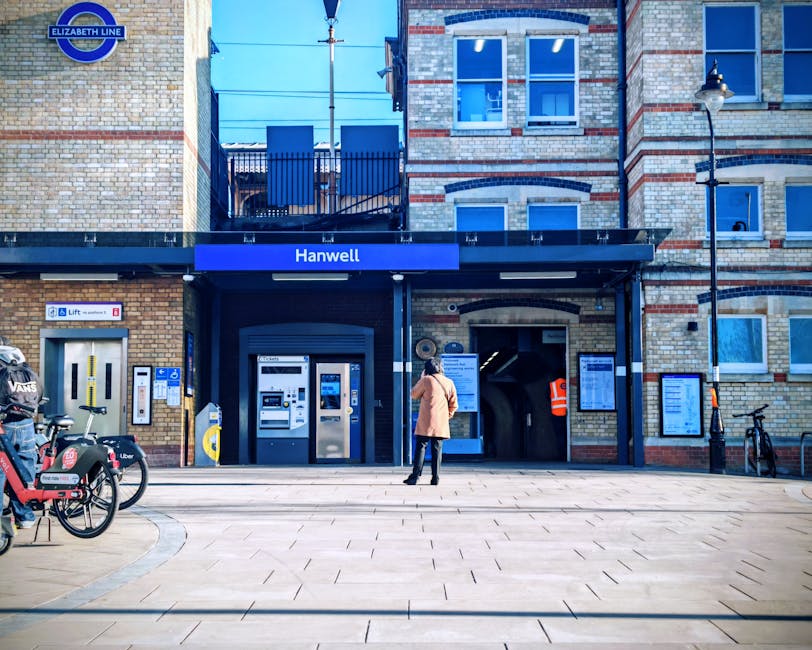
Best loading bays near West Ham station for vans
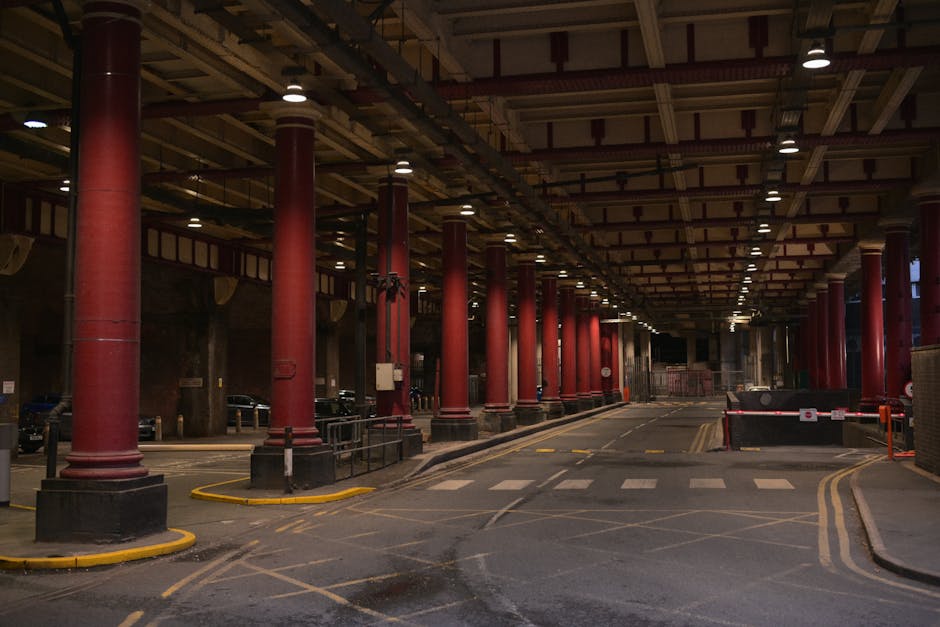
If you are trying to organise a van pickup or delivery around West Ham station, you already know the tricky part is rarely the loading itself. It is the stopping, the timing, the kerb space, the awkward corner, the "just one more minute" that turns into a ticket. This guide to the Best loading bays near West Ham station for vans is built for real-world use: how to choose a sensible loading spot, what to check before you arrive, and how to avoid the little mistakes that slow everything down.
Whether you are moving a flat, collecting furniture, handling a same-day job, or planning a tidy office pickup, the aim is the same: get the van as close as possible, keep the load safe, and leave without drama. Sounds simple. In practice, not always.
Below you will find a clear, local-focused breakdown of loading-bay options, timing strategy, van-friendly access tips, and the checks that make a big difference around West Ham station.
- Why loading-bay choice matters around West Ham station
- How loading and stopping near the station usually works
- Key benefits and practical advantages
- Who this is for and when it makes sense
- Step-by-step guidance
- Expert tips for better results
- Common mistakes to avoid
- Tools, resources and recommendations
- Law, compliance, standards and best practice
- Options and comparison table
- Case study or real-world example
- Practical checklist
- Conclusion
- Frequently asked questions
Why Best loading bays near West Ham station for vans Matters
West Ham station sits in a busy part of East London where footfall, traffic flow, and day-to-day commuter pressure all overlap. That matters because a van can lose precious time if it ends up circling for a place to stop, blocking the wrong stretch, or forcing movers to carry items much farther than expected.
The best loading bay is not always the nearest one on a map. It is the one that gives you a workable balance of access, visibility, room to manoeuvre, and realistic loading time. Around a station, that usually means thinking about pedestrians, busier road edges, and whether you can open the rear doors without creating a mess of tail-lifts, handcarts, and frustrated passers-by.
To be fair, a lot of van jobs near stations go wrong for the same simple reason: people assume "nearby" means "easy". It often doesn't. A bay that looks handy can still be awkward if there is poor turning space, a strong peak-time flow of traffic, or restrictions that change the whole plan. A better loading bay saves time, lowers stress, and reduces the risk of hurried lifting.
For local moves, this matters even more. If you are working with a man and van service in West Ham or planning a larger move via removals in West Ham, a sensible stopping point near the station can be the difference between a tidy half-hour loading window and a job that runs on and on.
How Best loading bays near West Ham station for vans Works
In practical terms, a loading bay is a designated place where a vehicle can stop for loading or unloading during permitted times. Near a station, the main thing is not just the marking on the road, but the conditions around it. You need enough space for the van, enough time to load, and enough certainty that you are not getting in the way of other road users.
The process usually goes like this:
- Choose your access point. Work out which side of the station area gives the quickest and safest approach for your van size.
- Check the restriction type. Some places are loading-only at certain times, some are short-stay, and some are controlled by local parking rules. Always treat the signage as the final word.
- Assess van size and turning needs. A small van may fit into a tighter gap, but a larger removal van needs more room for positioning and for opening doors properly.
- Plan the loading sequence. Put the heaviest, most awkward items closest to the van and build from there. That keeps the stop shorter and the lift safer.
- Work to the clock. Station areas can move quickly from calm to crowded. Load efficiently and do not treat the bay as a storage space.
If you are dealing with bulky items, the loading bay is only part of the story. You also need a sensible lifting plan. Our guide on kinetic lifting techniques is helpful if you want to reduce strain and keep the lift controlled, especially when you are handling furniture or boxed household goods.
And if the job involves a property move rather than a simple collection, there is usually a coordination element too. It is worth reading practical packing tips for moving so the van stop is used efficiently, not wasted while you hunt for tape, labels, or that one box of loose cables.
Key Benefits and Practical Advantages
Picking the right loading bay near West Ham station is not just about avoiding fines. It shapes the whole job. Here are the main advantages people notice immediately.
- Shorter carry distances: Less walking means faster loading and lower risk of dropping or damaging items.
- Better control of timing: You spend more time moving items and less time waiting for a space to open up.
- Safer handling: A stable loading point makes lifting and passing items into the van much easier.
- Less disruption: A well-chosen bay reduces stress for pedestrians, neighbours, and your own crew.
- Cleaner job flow: The driver can keep the van positioned properly instead of constantly shuffling it around.
There is also a less obvious benefit: confidence. When the van is parked correctly and the route from the property to the vehicle is straightforward, everyone tends to move with more purpose. That sounds minor, but on moving day it makes a real difference.
If you are working through a bigger relocation, good loading-bay planning can also make storage and staging easier. Our page on storage options in West Ham may be useful if you need to split the move across more than one trip.
Who This Is For and When It Makes Sense
This topic matters most for people who need reliable van access close to the station area. That includes:
- Home movers shifting furniture or boxes from a nearby flat
- Students moving into or out of accommodation around West Ham
- Office teams handling small relocations or equipment deliveries
- Furniture buyers collecting large items from local homes or shops
- People booking a same-day van and needing a fast, simple loading point
- Anyone moving heavy, awkward, or fragile items who wants the shortest possible carry
It is especially useful when time is tight. If you only have a short loading window, or you are trying to work around a station commute rush, you need a bay that helps you work quickly and calmly. For those moments, a well-planned stop near the station can be far more valuable than a theoretically closer but unusable spot.
It also makes sense if you are handling something difficult, like a piano, large wardrobe, or a sofa that barely fits around a corner. In that case, a sensible loading point is not optional. It is part of the safety plan. For heavier specialist items, our piano removals in West Ham service page explains why careful access planning matters so much.
Step-by-Step Guidance
If you want the most reliable result, follow a simple process rather than making it up on the day. That is usually where things fall apart, honestly.
1. Check the job details first
Write down what is being moved, how many people are helping, and whether you need a small van, transit-style vehicle, or larger removal van. A job that seems "just a few items" can still need serious loading space once you add mattress protectors, boxes, and a table that refuses to cooperate.
2. Match the van to the access
Larger vans are not always the best choice near station roads. If the area is tight, a smaller van can be more practical because it is easier to position, easier to reverse, and less likely to create a bottleneck. That said, don't under-vehicle a job and end up doing two more trips. Nobody enjoys that.
3. Arrive with the load prepared
Items should be boxed, wrapped, and ready before the van reaches the loading point. If the team is still packing when the van is parked, the stop becomes inefficient very quickly. Good preparation often cuts the actual curbside time far more than people expect.
4. Use the stop in the right order
Load the awkward or heavy items first, then build around them with boxes and lighter pieces. Keep the pathway clear. If possible, have one person guide the flow while another handles lifting. That small division of labour prevents those weird, half-frozen moments where everyone is holding something and nobody is sure where it goes.
5. Leave room for departure
Before you start unloading the final piece, make sure you can pull away safely and legally. If the van needs to rejoin traffic or shift position, you do not want to be doing that in a panic. It is the kind of detail people forget until the last ten minutes.
Expert Tips for Better Results
Here are a few practical tips that make loading near a station easier and much less stressful.
- Book the early part of the day if possible. Morning timing can be calmer before the commuter pressure builds. It is not always quieter, but it is often more manageable.
- Use labels on boxes. A labelled load goes in faster and comes out in the right order. Simple, yes. Surprisingly effective, too.
- Pack by weight, not room layout. Heavy items first, then support them with lighter but sturdy items.
- Protect corners and handles. The short walk from property to van is often where scrapes happen.
- Have a backup bay or alternate stopping point in mind. If your first choice is occupied, you need a plan B immediately.
- Do a quick walk-through before arrival. One glance at the route can save you from discovering a blocked access point at the worst moment.
Here is the honest bit: most loading problems are not dramatic. They are just small things stacked together. The lift is slightly slower than expected, the door is awkward, someone parked too close, and suddenly your timetable slips. That is why planning matters more than bravado.
If you are downsizing or clearing clutter before the move, this is a good moment to read how to streamline your belongings before moving. Fewer items means quicker loading, which is exactly what you want near a station.
Common Mistakes to Avoid
A lot of loading-bay issues are preventable. Most people only make the mistake once. The ticket or delay tends to be memorable.
- Assuming all bays are the same. They are not. Time limits, restrictions, and road width can vary a lot.
- Ignoring signage. Temporary changes, local restrictions, and loading conditions matter. If the sign says otherwise, that is the rule in the moment.
- Underestimating foot traffic. Station surroundings can get busy quickly, especially around arrival and departure peaks.
- Loading too slowly. If the van is parked in a busy area, every extra minute matters.
- Forgetting the exit plan. You need to know how the van will leave before the last item goes in.
- Using the bay as a waiting area. It is for loading, not a long pause while you sort boxes in the hallway.
One other mistake is going in without enough lifting support. If you are handling a sofa, appliance, or a piece that needs two people to guide it cleanly, do not improvise. Our article on moving heavy items alone explains some safe principles, but for larger items, help is still the sensible choice.
Tools, Resources and Recommendations
You do not need fancy gear to make a loading bay work well, but a few basic tools help a lot. Think practical, not overcomplicated.
- Furniture blankets and straps: Good for keeping items stable in transit.
- Box labels: Faster loading and easier unloading.
- Protective gloves: Better grip, better control, fewer sore hands.
- Hand trolley or sack truck: Useful if the carry from the property is longer than expected.
- Floor protection: Handy for narrow hallways or shared entrances.
- Clear packing tape and marker pen: Small things, huge payoff.
For support around the moving process more broadly, it is worth exploring packing and boxes in West Ham if you are still at the preparation stage. The better the packing, the easier the loading bay workflow becomes.
And if you are comparing service options, the broader services overview can help you decide whether you need a straightforward van booking, a full removal team, or something in between.
Law, Compliance, Standards, or Best Practice
Around station areas, the most important rule is straightforward: follow the roadside signs and local parking controls exactly as they appear on the day. That sounds obvious, but it is where many people slip up. Time plates, loading restrictions, double yellow lines, and waiting limits can all affect what is allowed.
Because local road rules can change and conditions vary, it is wise to treat any loading plan as something to verify close to the day itself. If you are unsure whether a stop is allowed, do not assume. A few minutes of checking is much better than a fine or a blocked load-up.
Good practice also means thinking about safety:
- Do not block pedestrian routes or station access points.
- Keep the rear of the van visible where possible.
- Avoid lifting in a rushed or unstable way.
- Use enough people for heavy or oversized items.
- Plan for wet weather, uneven surfaces, and changing traffic flow.
If your move includes waste or unwanted items, you should also be careful about disposal. The article on Newham council rules for bulk waste during West Ham moves is a useful next read when you need to avoid leaving a mess behind.
For customers who want a clearer picture of protected handling and responsible moving practice, the site's insurance and safety information is worth a look as part of the decision-making process.
Options, Methods, or Comparison Table
Different access approaches suit different jobs. Here is a simple comparison to help you choose the right method around West Ham station.
| Option | Best for | Pros | Trade-offs |
|---|---|---|---|
| Closest possible loading bay | Quick pickups and short moves | Shortest carry, fastest loading | Can be busy or tightly controlled |
| Slightly farther bay with easier access | Bulky items or larger vans | More room to manoeuvre, less stress | Longer carry distance |
| Timed loading stop near the property | Flat moves and regular household jobs | Efficient if the route is clear | Needs accurate timing and coordination |
| Two-stage load with short staging stop | Large furniture or multiple trips | Better organisation, less congestion | Takes more planning and discipline |
If you are deciding between vehicle types, the page for removal van options in West Ham can help you think through size and access together. The "best" bay is often the one that suits the vehicle you are actually bringing, not the one that just looks nearest.
Case Study or Real-World Example
Here is a realistic example from the kind of job people commonly do around West Ham station.
A two-bedroom flat move started a few streets from the station, with a van booked for a tight midday slot. The property had decent internal access, but the front road was busier than expected. Rather than stopping at the first narrow point, the team used a slightly more open loading position with better visibility and a cleaner pull-in line. It meant a marginally longer carry, but the loading itself was smoother and the van could be kept positioned properly.
What changed the job most was preparation. Boxes were ready before the van arrived, the sofa was protected, and the heaviest items were brought down first. There was no wasteful waiting around while tape was fetched from the kitchen drawer. You know the drawer I mean. The one with batteries, old keys, and three mystery screwdrivers.
The result was less rushing, fewer bumps on the doors, and a calmer lift. Not glamorous. Just effective. And that is usually what you want around a station area.
For a similar local context, the article on fast pickups for commuters offers a helpful sense of how station-adjacent jobs benefit from tight timing and clear access planning.
Practical Checklist
Use this checklist before your van reaches the station area.
- Confirm the pickup or delivery time
- Check the van size against the expected stopping space
- Read the loading restrictions and time limits carefully
- Prepare straps, blankets, gloves, and labels
- Wrap fragile items before the van arrives
- Keep the route from property to van clear
- Assign one person to direct loading if possible
- Load heavy items first, then build around them
- Leave space for safe departure
- Have a backup plan if your first loading point is occupied
It also helps to do a quick mental check: if the job ran ten minutes longer than expected, would your plan still work? If the answer is no, it is worth tightening the prep.
Conclusion
Finding the Best loading bays near West Ham station for vans is really about making the job practical, safe, and predictable. The ideal spot is not just the nearest curb space. It is the one that helps you load efficiently, work within the rules, and keep the whole move under control.
If you remember only one thing, let it be this: plan the access before the van arrives. The loading bay is part of the strategy, not just the parking. Get that right and the rest of the job usually feels easier, calmer, less frantic. And frankly, that's worth a lot on a moving day.
If you want help organising a smoother move around West Ham, explore the site, compare your options, and choose the support that fits the job rather than forcing the job to fit the van.
Get a free quote today and see how much you can save.
Frequently Asked Questions
What makes a loading bay good for vans near West Ham station?
A good loading bay gives you enough room to park or stop safely, enough time to load, and a short, clear route to the property. Near a station, visibility and timing matter just as much as location.
Are the nearest loading bays always the best choice?
Not always. A bay that is physically closer can still be awkward if it is too tight, too busy, or difficult to exit from. Sometimes the slightly farther option is faster in practice.
Can I use a loading bay for a full house move?
Yes, if the bay allows it and your move is organised well. For larger moves, you need to be disciplined with timing and make sure the van size matches the space available.
Do I need to check local parking rules before using a loading bay?
Yes. Always check the roadside signs and any local restrictions on the day. Rules can vary by time and location, so it is safest not to rely on assumptions.
What size van is best near West Ham station?
That depends on the job. Smaller vans are easier to manoeuvre in tight access areas, while larger vans reduce the number of trips. The best choice is the one that fits the road and the load.
How early should I arrive for a station-side loading job?
Arrive a little earlier than you think you need. That gives you time to assess the space, check access, and avoid rushing once the van is in position. Early arrival usually pays for itself.
What should I do if the loading bay is occupied?
Have a backup plan ready before you get there. A second sensible stopping point nearby can save a lot of hassle. Don't just sit and hope it clears immediately; that tends to burn time fast.
Is it safer to use a man and van service for station-area moves?
Often, yes, especially for smaller jobs or short-distance moves. A local team used to tight access can usually work more efficiently around the station environment. See man with a van in West Ham for a more detailed look at that option.
What kind of items are hardest to load near a station?
Large sofas, wardrobes, appliances, pianos, and awkward flat-pack furniture usually cause the most trouble. They need more space, more care, and better timing than standard boxes.
How can I reduce loading time on the day?
Pack in advance, label boxes, keep pathways clear, and load in a fixed order. The biggest time-saver is usually preparation, not speed once the van arrives.
What if I need same-day help near West Ham station?
Same-day jobs can work well if the access is simple and the load is ready. If timing is tight, it helps to use a service that understands local conditions. The page for same-day removals in West Ham may be useful in that situation.
Can a loading bay help reduce damage to furniture?
Yes. A shorter carry, a cleaner lift route, and less time spent balancing items in awkward places all reduce the chance of scuffs, knocks, and strain-related mishaps.
Where can I get more help planning a West Ham move?
You can learn more about the team behind the service on the about us page or get in touch through the contact page if you want to discuss the job properly.