Eco-friendly removals in West Ham: recycle and donate
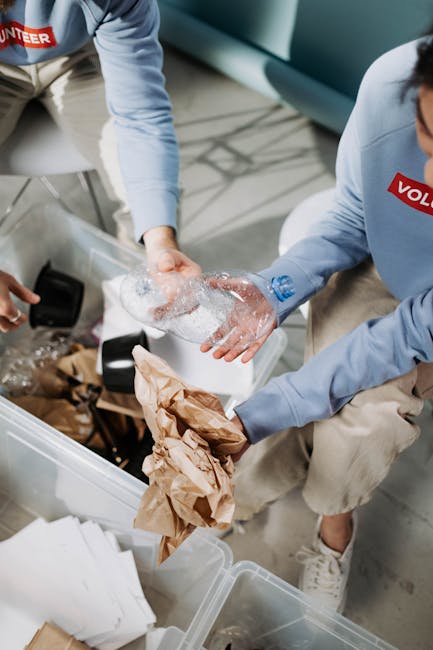
Moving house or clearing a property in West Ham can feel like a race against the clock. Boxes everywhere, items you forgot you owned, and that one cupboard full of "I'll deal with it later" stuff. Truth be told, it's easy to default to the quickest option and tip everything into the nearest bin or skip. But there's a better way. Eco-friendly removals in West Ham: recycle and donate is about making your move cleaner, calmer, and more responsible by reducing waste, reusing what still has life in it, and sending the right materials to recycling instead of landfill.
This guide explains how it works, who it helps, what to watch out for, and how to make practical decisions without turning moving day into a full-time sustainability project. You'll also find a step-by-step plan, a comparison of common options, and a realistic checklist you can actually use. Let's face it, most people don't need more theory-they need a move that goes smoothly and doesn't leave a mountain of avoidable waste behind.
Why Eco-friendly removals in West Ham: recycle and donate Matters
West Ham is a busy part of East London, with flats, terraces, mixed-use buildings, shared entrances, tight streets, and the usual moving-day puzzle of limited space. That environment naturally makes waste harder to manage. A pile of broken chairs, old wardrobes, packaging, and unwanted clothing can quickly become a nuisance, especially if it blocks access or gets left out improperly. Eco-friendly removals are a sensible response to that reality.
The environmental case is straightforward. Reusing an item keeps it in circulation longer. Recycling turns suitable materials back into something useful. Donation gives good-quality belongings a second life instead of sending them to disposal. And for many household moves, the biggest environmental win is not some dramatic technical fix-it's simply sorting things well before they leave the property.
There's also a practical side. When you sort items for reuse, donation, recycling, and disposal before moving day, the job often becomes easier to manage. Fewer unnecessary items need loading. Less time is spent packing things that should have gone already. And you may notice the move itself feels more organised, almost oddly calmer. Funny how that works.
For local moves, this matters even more. Narrow roads, parking pressure, and the need to be efficient all encourage a thoughtful approach. If you're planning alongside a property clearance, flat move, or office relocation, the eco-friendly route can save time as well as stress.
Expert summary: the most effective eco-friendly move is usually not the one with the fanciest branding. It's the one where you decide early what stays, what gets donated, what can be recycled, and what truly needs disposal.
How Eco-friendly removals in West Ham: recycle and donate Works
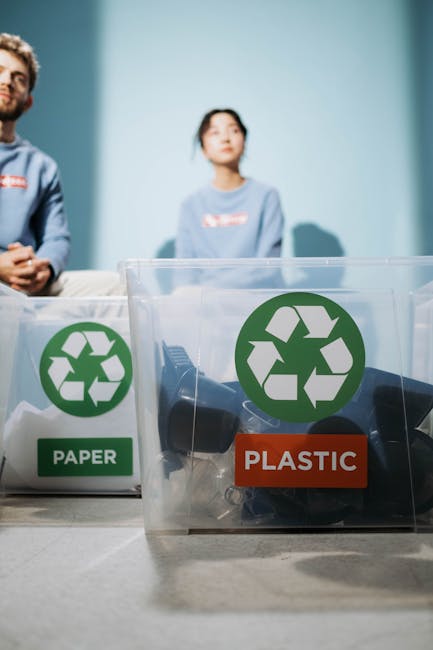
The process is simple in principle, but a good result depends on discipline. In practice, an eco-friendly removal plan usually has four streams: keep, donate, recycle, and dispose.
1. Keep
These are the items you are taking to your new home or premises. They should be clean, usable, and worth the space and effort. If an item is technically possible to move but unlikely to be used again, that's a warning sign.
2. Donate
Donation works best for items that are clean, safe, and in decent condition: usable furniture, working small appliances, books, toys, kitchenware, clothing, and homeware. If it still has life in it and you'd feel comfortable passing it to a friend, it may be suitable for donation. If you wouldn't want to hand it over, it probably shouldn't be donated. Simple rule, usually a decent one.
3. Recycle
Recycling is for materials or items that can be broken down and processed separately, such as cardboard, some plastics, metals, electrical items, and certain furniture components. The key is not to guess. Different materials and collection systems need different handling, and contaminated loads can reduce the chance of successful recycling.
4. Dispose
Some things simply cannot be reused or recycled. Damaged mattresses, heavily worn textiles, contaminated items, and some mixed-material goods may need responsible disposal. The goal is not to eliminate disposal entirely; it is to make sure disposal is the last step, not the first.
In many cases, the removal team can help separate these categories before loading. That might mean keeping donation items apart from recycling, or setting aside bulky items for a separate collection. A better organised move tends to be a smoother one, and that's especially helpful when stairs, parking restrictions, or building access are involved.
For some customers, it also makes sense to combine a removal with a broader decluttering plan. You can see how services such as recycling and sustainability support a more thoughtful moving process, especially when the aim is to reduce waste before the van is even packed.
Key Benefits and Practical Advantages
There are plenty of reasons to take an eco-conscious approach, but the biggest benefits are not abstract. They show up in real life, on moving day, and often in the days before it.
- Less waste sent to landfill: reusable items and recyclable materials are diverted away from disposal wherever possible.
- Lower moving stress: fewer unwanted items means less packing, lifting, and last-minute decision-making.
- More efficient loading: vans carry useful items instead of clutter, which can make the job feel cleaner and more organised.
- Better value for money: if items are sorted properly, you may avoid paying to move junk you no longer need.
- Community benefit: donated items can support local households, charities, or reuse networks.
- Safer handling: fewer random loose items around the property can reduce trip hazards and frustration.
There's also a mindset benefit. People often underestimate how draining clutter can be. Once you start deciding what deserves a second life, the move feels less like a scramble and more like a reset. That's a real thing. You can almost hear the room breathe a bit easier.
If you're moving a family home, student flat, or small office, eco-friendly removals can also make the transition more deliberate. You choose what should be preserved, donated, or recycled instead of simply reacting under pressure. That usually leads to better decisions and fewer regrets later.
Who This Is For and When It Makes Sense
This approach suits more people than you might think. It is not only for highly organised households or people already living a minimalist lifestyle. In fact, it often helps the opposite: busy households, stressed movers, landlords, tenants, and small businesses trying to clear space quickly.
It makes particular sense if you are:
- moving from a flat or maisonette with limited storage;
- downsizing and need to reduce possessions thoughtfully;
- clearing a property after a long tenancy or a family change;
- relocating office furniture and equipment;
- replacing old furniture and want the old items reused where possible;
- trying to avoid unnecessary disposal costs and waste.
It also makes sense when you have bulky items that are still usable but no longer needed. A perfectly serviceable chair, for instance, should not be treated the same way as broken packaging. That sounds obvious, but in moving week, obvious things have a habit of disappearing from view.
For local property moves, planning ahead can help with access, timing, and storage. If your route or loading point is awkward, a service like home moves can be a practical fit, especially when the job includes sorting items for donation and recycling as part of the same process.
Step-by-Step Guidance
If you want the move to be greener without making it complicated, use this sequence. It's practical, not perfect. Good enough done well beats perfect done late.
- Start with a room-by-room sort. Do not wait until the night before. Mark items as keep, donate, recycle, or dispose.
- Separate quality from quantity. Ask whether each item is genuinely worth moving. If not, move it out of the plan.
- Set aside donation items early. Bag or box them separately so they do not get mixed into general load piles.
- Break down recyclable materials. Flatten cardboard, remove loose packaging, and keep recyclables clean and dry where possible.
- Identify bulky items in advance. Wardrobes, mattresses, desks, and white goods may need special handling.
- Check access and timing. If parking or loading is tight, organise the waste streams before the removals team arrives.
- Label clearly. Use simple labels like "donate," "recycle," "keep," and "dispose." No one wants a mystery box crisis at 8 a.m.
- Confirm the collection plan. Make sure the removal provider knows which items are staying, which are leaving, and which ones should be treated carefully.
A useful habit is to do one final walk-through of each room before moving day. Look in cupboards, under beds, behind doors, and in the odd corners where small things hide. You will always find something. Always.
Expert Tips for Better Results
Here are the details that tend to make the biggest difference, even though they are easy to overlook.
Choose donation candidates realistically
Donate items that are clean, complete, and in good working order. Missing screws, broken zips, and stained upholstery reduce the chance that an item can be reused. If something would require repair before anyone could use it, think carefully before calling it a donation item.
Keep recyclable materials uncontaminated
Food residue, damp cardboard, mixed waste, and general clutter can make recycling harder. A cardboard box filled with mixed rubbish is not really recycling, no matter how hopeful the label looks. To be fair, we've all done a last-minute sweep into the nearest container at some point, but it rarely ends well.
Use furniture disassembly wisely
Some furniture can be taken apart to make it easier to reuse or recycle. But do not dismantle something if doing so will damage it. The goal is not "smaller pieces at any cost"; it is preserving value and reducing waste.
Think about loading order
Donation items that leave first can free up valuable space. Recycling bags and boxes should be loaded separately from fragile or keep items. This kind of small planning can save a surprising amount of time when the van is open and everyone is waiting.
Ask for a waste-aware moving plan
If you are booking a removal service, ask how they handle unwanted items, recyclable materials, and furniture that could be reused. A company that thinks clearly about sorting and handling is often easier to work with from the start.
One more thing: don't let "I might use this one day" turn into a moving-day excuse for hauling unnecessary clutter. We've all got a drawer full of cables that may or may not be connected to anything on Earth. It's fine. You can let some of it go.
Common Mistakes to Avoid
Eco-friendly removals sound straightforward, but a few common mistakes can get in the way.
- Leaving sorting until the last minute: this usually leads to rushed decisions and more waste.
- Donating poor-quality items: if something is damaged, unhygienic, or incomplete, donation is unlikely to be appropriate.
- Mixing waste streams: once recyclables are contaminated with general rubbish, they may be harder to process.
- Forgetting about hidden items: cupboards, lofts, sheds, and under-bed storage often contain more than expected.
- Assuming everything can be recycled locally: that is not how waste systems work. Different materials need different treatment.
- Ignoring access issues: if bulky items are not planned for, the move can become slower and less efficient.
A small but important point: don't confuse "getting rid of" with "doing the right thing." The right thing sometimes takes an extra ten minutes. Usually worth it, though.
Tools, Resources and Recommendations
You do not need specialist equipment to move more sustainably, but a few simple tools make the process easier.
- Strong reusable boxes: better for repeated handling than weak single-use packaging.
- Labels or markers: essential for sorting keep, donate, recycle, and dispose items.
- Furniture blankets and straps: helpful for protecting reusable items during loading.
- Sealable bags: good for textiles, small recyclables, and loose items that need separating.
- Basic packing tape and scissors: small things, big difference.
- Declutter lists: a simple written list can stop repeat sorting and second-guessing.
If you are comparing removal services, it helps to look for a provider that offers clear guidance on sorting, packing, and handling items for reuse or recycling. You can also review services such as removal services or man with van options when the job is smaller, local, and needs a flexible approach.
For people who want to combine moving and clearing in one go, furniture-focused support can be useful too. A service like furniture pick-up may suit bulky items that are still in usable condition and need to be moved on rather than thrown away.
Law, Compliance, Standards, or Best Practice
This kind of move does not need to become a legal project, but there are sensible standards to follow. In the UK, households and businesses are expected to manage waste responsibly, and that includes not fly-tipping, not abandoning items, and not passing off unsuitable material as reusable donation stock. If a removal involves business waste or commercial furniture, the expectations are even more important because mixed waste can create extra compliance issues.
Good practice usually includes the following:
- separating reusable, recyclable, and non-recyclable items;
- ensuring waste is transferred to an appropriate authorised route;
- keeping the site safe and access routes clear during loading;
- being honest about the condition of items offered for donation or reuse;
- using careful handling for electrical items, glass, and heavy furniture.
If you are moving valuable items or dealing with awkward access, it is also sensible to think about insurance, lifting safety, and general handling standards. A reputable provider should be willing to explain how they approach those areas. You do not need drama; you need clarity.
For reassurance around standards and operational expectations, it can help to review pages such as health and safety policy and insurance and safety. Those pages won't do the moving for you, obviously, but they do show how seriously a company takes the basics.
Options, Methods, or Comparison Table
When planning an eco-friendly move, most people end up choosing between a few common approaches. The best one depends on how much time you have, how much sorting is needed, and how much lifting is involved.
| Option | Best for | Strengths | Limitations |
|---|---|---|---|
| Self-sorting before the move | People with time and a clear plan | Maximum control over donation, recycling, and disposal | Can be tiring and time-consuming if the property is full |
| Removal service with eco sorting | Families, tenants, and busy households | Convenient, efficient, less stress on moving day | Requires clear communication about what goes where |
| Partial declutter plus move | Small or medium moves with some unwanted items | Good balance of effort and simplicity | Needs early planning to avoid mixed loads |
| Furniture reuse or pickup focus | Usable furniture that no longer fits the new space | Good reuse potential, less waste | Only works when items are in suitable condition |
In many West Ham moves, the second option works best because it combines physical removal with practical sorting. That said, a small flat clear-out may only need a simple pickup arrangement, while a larger home move may benefit from a more structured plan. There is no prize for doing it the hard way.
Case Study or Real-World Example
Imagine a two-bedroom flat in West Ham with a couple of bulky wardrobes, a mix of kitchenware, old books, a broken bedside table, and a box room that has quietly become the home of "things we'll sort later." The move date is fixed. There is a lift, but it is small, and the street outside is not exactly generous with parking.
The practical solution is not to haul everything first and think later. Instead, the household sorts the contents room by room. The wardrobes are checked for reuse potential. The kitchenware is split into keep and donate. The books are boxed for someone else to enjoy. The broken table goes to disposal or recycling, depending on material condition. Cardboard is flattened and kept dry. The result is fewer items to load, less waste in the van, and less panic when the movers arrive.
What changed most was not the size of the van. It was the clarity of the plan.
That kind of approach is especially useful in busy neighbourhoods where access time matters. If you also need a fast turnaround, you may want to combine decluttering with a local service such as removals or, for smaller jobs, a flexible man and van removals arrangement. The details matter, and the details save time.
Practical Checklist
Use this checklist the day before the move, or earlier if you can. It keeps the process grounded.
- Have you separated keep, donate, recycle, and dispose items?
- Are donation items clean, usable, and complete?
- Have you flattened cardboard and removed obvious contamination?
- Are bulky items measured and ready for safe handling?
- Have you told the removal team which items are leaving and which are staying?
- Are valuables, documents, and personal items packed separately?
- Have you checked access, parking, and loading space?
- Do you have labels, tape, bags, and boxes ready?
- Have you set aside anything that needs special care, such as glass or electronics?
- Have you done a final sweep of cupboards, lofts, sheds, and under furniture?
Small checklist. Big relief. It's often the difference between a move that feels controlled and one that feels like everything is happening at once.
Conclusion
Eco-friendly removals in West Ham are really about making practical, low-waste choices under real-world conditions. If you recycle what can be recycled, donate what can still be used, and only dispose of what truly needs to go, you create a move that is cleaner, more efficient, and a lot easier to live with afterwards.
The best results usually come from early sorting, honest decisions, and simple communication with your removal provider. That's the heart of it. No gimmicks. No overcomplication. Just a smarter way to move that respects your time, your belongings, and the environment around you.
If you're planning a move soon, start by setting aside the items you no longer need and decide what can be reused before anything gets packed. A little effort now can save a surprising amount of stress later, and it often leaves the place feeling lighter than you expected. Not a bad feeling at all.
Get a free quote today and see how much you can save.
Frequently Asked Questions
What does eco-friendly removals mean in practice?
It means planning your move so that reusable items are donated, recyclable materials are separated properly, and only genuinely unusable items are disposed of. The goal is to reduce waste without making the move harder than it needs to be.
Can I donate furniture during a house move in West Ham?
Yes, if the furniture is clean, safe, and still usable. Items with serious damage, missing parts, or hygiene issues are less likely to be suitable for donation. A quick condition check before moving day helps a lot.
What items are usually recyclable during removals?
Common recyclable items include cardboard, some plastics, metals, and certain electrical items, depending on condition and local handling routes. Mixed or contaminated waste is much less straightforward, so separation matters.
Is it cheaper to recycle and donate instead of disposing of everything?
Often, yes, because you may reduce the volume of waste that needs to be handled or transported. The exact cost depends on the amount of material, access, and how much sorting is needed, so it is best treated as a practical advantage rather than a guarantee.
How early should I start sorting for an eco-friendly move?
Ideally, start as soon as you know you are moving. Even a few short sorting sessions spread over a week can make a big difference, especially if you have a full flat or family home.
What if I have items that are not good enough to donate but are too good to throw away?
Then recycling or specialist reuse routes may be more appropriate, depending on the item. If something is still useful in parts but not as a complete item, ask how it should be treated rather than guessing.
Do removal teams usually help with sorting items?
Many can help with practical loading and handling, and some are happy to work from clearly labelled piles or boxes. It is best to confirm in advance what level of sorting support is available so everyone knows what to expect.
What are the most common mistakes people make with eco-friendly removals?
The biggest mistakes are leaving sorting too late, donating damaged items, mixing waste streams, and forgetting about hidden storage spaces. Those little oversights create most of the stress.
How do I know whether an item should be recycled or disposed of?
If the item is made from recyclable material and can be separated cleanly, recycling may be possible. If it is broken, contaminated, or made of mixed materials that cannot be handled easily, disposal may be the safer route. When in doubt, ask for guidance before loading.
Can eco-friendly removals work for office moves too?
Yes, and often very well. Office moves usually involve old desks, chairs, packaging, and equipment that can be sorted for reuse or recycling. A structured plan helps businesses reduce waste and avoid moving items they no longer need.
What should I do with electrical items during a move?
Check whether they are working and whether they are suitable for reuse, donation, or recycling. Keep cables and accessories together if possible. Damaged or unsafe electricals should not be passed off as reusable.
Is eco-friendly moving actually worth the effort?
For most people, yes. It reduces clutter, supports reuse, and can make the move smoother and more organised. The effort is usually modest compared with the benefits, especially if you start early and keep the process simple.