




Do I need a West Ham permit for loading on Green Street?
Posted on 10/06/2026
If you are planning a delivery, house move, or quick collection on Green Street, the first question is usually the practical one: do I need a West Ham permit for loading on Green Street? It sounds simple, but the answer depends on where you stop, how long you stay, what kind of vehicle you use, and whether the loading bay or kerbside space is controlled. In busy parts of West Ham, a small mistake can mean a stressful delay, a fine, or a van circling the road while everyone watches. Not ideal.
This guide breaks the subject down in plain English. You will learn what a loading permit is, when it may be needed, how loading commonly works on a busy London street, and what to do if you want the move to stay smooth and boring in the best possible way. We will also look at common mistakes, safety concerns, and a few real-world planning tips that make a surprising difference.
For people arranging a move, especially if you are using a man with a van in West Ham or comparing removal services in West Ham, this can save time and a fair bit of hassle.
Why Do I need a West Ham permit for loading on Green Street? Matters
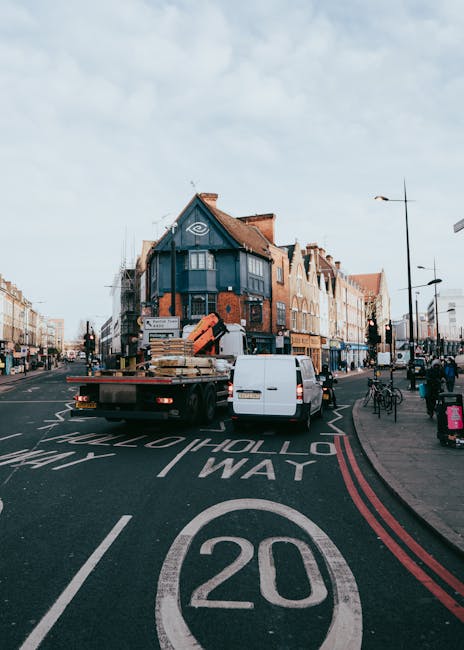
Green Street is not the kind of place where you can assume kerbside loading will "just work." It is a busy route with regular traffic, pedestrian movement, shops, side streets, and the usual London pressure points that make stopping a van feel more complicated than it should. Even if you are only loading for a short period, you still need to think about restrictions, loading bays, waiting rules, and whether your vehicle can legally stop where you want it to stop.
That matters for three reasons. First, time: a move becomes slower the moment the vehicle is placed awkwardly. Second, cost: delays can lead to extra labour time or a second trip. Third, compliance: even a brief loading stop can be an issue if it is done in the wrong place or at the wrong time. In practice, most people do not need a full-blown plan for every small job, but they do need a clear sense of the parking environment before the van arrives.
Think of it like this: if your sofa is due out at 8:00 in the morning and your van driver has to park 50 metres away, carry through traffic, and dodge a queue of people heading for the bus stop, your tidy little job suddenly becomes a messy one. And yes, it always feels longer when the kettle is already unplugged and the cushions are stacked by the door.
If you are moving a full flat or house, it is worth reading about flat removals in West Ham or house removals in West Ham so you can match the vehicle and the loading plan to the job, not the other way round.
How Do I need a West Ham permit for loading on Green Street? Works
The short answer is that loading access is usually about permission to stop, not always a separate permit in the way people imagine. Some streets allow loading for a limited period, while others have controlled bays, yellow line restrictions, or time-based rules that still need to be respected. A permit may be needed in certain situations, but not every stop is a permit issue. That is the bit people often get mixed up.
In normal day-to-day terms, loading tends to work like this:
- Check the road conditions. Look for loading bays, single or double yellow lines, and signs that mention loading restrictions or times.
- Confirm the vehicle type. A small van and a larger removal van can face different practical limits, especially on a narrow or congested road.
- Check the loading duration. Many loading allowances are short and intended for active loading only, not waiting around with the engine off while someone looks for keys.
- Keep goods moving. If you are clearly loading or unloading, that usually supports the case for legitimate stopping.
- Be ready to move quickly. If a parking warden or traffic officer queries it, the vehicle should be actively involved in the job.
That said, local rules can vary by exact location and time of day. Green Street can have sections where stopping is fine in principle but awkward in reality because the traffic flow is constant. If you are unsure, the safest approach is to plan for the most restrictive realistic option, not the best-case scenario. It saves headaches.
For many customers, the practical solution is simple: use a vehicle-sized loading plan and make sure everything is packed, wrapped, and ready before the van arrives. Our guide on essential packing tips is useful if you want to reduce the time the van spends parked on the street.
Key Benefits and Practical Advantages
Getting the loading side right is not only about avoiding penalties. It also makes the whole move easier on your back, your schedule, and your nerves. And let's face it, moving day already gives you enough to think about.
- Less waiting around. If the van can stop close to the property, items move faster and the job stays on schedule.
- Lower risk of damage. Shorter carry distances mean fewer opportunities to bump walls, doors, or stair rails.
- Better safety. A controlled loading point reduces the chance of rushing, slipping, or blocking people on the pavement.
- Cleaner handover. When everything is packed well and loaded efficiently, the street scene looks organised rather than chaotic.
- More predictable costs. A smoother loading arrangement often means fewer labour delays and less wasted time.
There is also a psychological benefit. When the loading part is clear, the rest of the move feels more manageable. You are not standing at the window hoping the driver finds a spot. You know the plan, and that confidence matters a lot more than people admit.
If you are shifting heavier or awkward items, furniture removals in West Ham and a suitable removal van in West Ham can make the loading phase much more efficient than trying to squeeze everything into a smaller vehicle at the last minute.
Who This Is For and When It Makes Sense
This question comes up for a few different groups, and each one has slightly different concerns.
Home movers often need to know whether they can stop outside a flat or terrace long enough to load boxes, appliances, and furniture. If you are in a first-floor flat with a tight hallway, the loading point matters just as much as the staircase.
Students usually need something quick and flexible. You might not need a formal permit, but you do need a van that can stop safely without causing a fuss. In busy periods, that can be trickier than it sounds.
Office movers need timing discipline. A small access delay can affect staff handover, building access, and the whole day's schedule. If your business move is even slightly time-sensitive, planning the stop matters.
Piano or specialist item movers have extra constraints. A grand piano or upright is not something you want to drag from a roadside parking bay that is technically "okay" but practically awful. If that is your situation, have a look at professional piano moving support because the access plan is as important as the lifting.
Same-day movers and last-minute bookings are the people most likely to get caught out. If you are making the decision on the day, you can still do it well, but you need to keep the loading area and vehicle size front of mind.
Step-by-Step Guidance
If you want a practical route through the problem, use this process. It is simple, but it works.
- Identify the exact loading point. Do not just think "Green Street." Think the specific side of the road, the side street, or the entrance nearest the property.
- Check signage before the move date. If possible, visit in daylight and read the restriction signs carefully. Evening assumptions can be risky.
- Match the vehicle to the space. A compact van may fit where a larger vehicle would be awkward. A bigger removal van may still be the right choice if the job is substantial, but the stop needs to be planned properly.
- Prepare everything in advance. Boxes should be sealed, furniture should be dismantled where sensible, and bulky items should be ready at the front door.
- Load in the right order. Put heavy and solid items in first, then lighter boxes, then anything fragile or awkward on top or in a protected section.
- Keep the stop active. The van should be loading, not idling while people search for tape, keys, or a missing lamp shade.
- Have a fallback plan. If the kerbside point is blocked, know where the next-best safe stop is.
A good loading plan often starts before moving day. Our advice in streamlining your belongings before the big move can help you reduce volume, which in turn reduces loading time. That is the sort of boring efficiency that feels brilliant later.
One small but important note: if your property access is awkward, spend time on the route and parking angle as well as the packing. It sounds obvious. Still, people forget it all the time.
Expert Tips for Better Results
In our experience, the moves that go best are not always the ones with the fanciest vehicle. They are the ones where access is thought through properly. A few practical tips make a real difference.
- Start with the heaviest items. Large furniture, appliances, and boxed books take the most time. Put them near the van first if the loading point is tight.
- Use protected carry routes. If you can keep a clear path from the door to the vehicle, do it. Wet weather and dirty pavements only make things more awkward.
- Keep one person near the van. That person can watch the stop, manage vehicle space, and keep loading moving. It sounds small. It helps a lot.
- Label boxes sensibly. If you are unloading into a flat or storage unit, clear labels reduce the number of times a box gets handled.
- Think about what must not be left waiting. Fridge contents, delicate electronics, and awkward items should not sit on the pavement any longer than necessary.
When carrying awkward loads, it is worth learning a little about body mechanics too. A quick read on kinetic lifting can help you understand why the right posture and movement pattern matter more than brute force. Truth be told, your back will thank you later.
And if you are dealing with a bulky sofa, the planning is even more important. See sofa storage and handling advice for some useful handling context before anything gets dragged or tilted too sharply.
Common Mistakes to Avoid
A lot of the trouble on Green Street happens because the move was planned in a "we'll wing it" kind of way. It rarely ends well. These are the mistakes worth avoiding.
- Assuming loading is always allowed. It may not be, and signs can change the answer by time or location.
- Ignoring time limits. A short loading allowance is not the same as a place to wait.
- Using the wrong vehicle. If the road is narrow or congested, a van that is too large can create problems before any boxes are even touched.
- Leaving items unprepared. Loose items and half-packed boxes slow the process right down.
- Blocking pedestrians or driveways. Even when you are only loading, poor positioning creates avoidable conflict.
- Forgetting weather and daylight. A damp evening move is a different beast from a dry morning job.
One small but common slip: people often think "It's just ten minutes." In moving terms, ten minutes is enough time for a queue to build, a driver to lose patience, or a neighbour to ask what on earth is happening. It all matters.
Tools, Resources and Recommendations
You do not need a van-load of specialist equipment for a straightforward move, but a few basic tools make loading much easier and safer.
- Folding sack trolley or dolly. Helpful for boxes, washing machines, and heavier items over short distances.
- Removal blankets. Good for protecting wooden furniture, doors, and delicate finishes.
- Strong tape and labels. Basic, but essential. Packing chaos is a real thing.
- Gloves with grip. Useful when carrying awkward or cold items.
- Ratchet straps or tie-downs. Important in the vehicle so items do not slide during transit.
If you want to be more organised before moving day, this moving homes guide and these packing tips can help you prepare the load properly.
For anyone storing items before or after the move, storage in West Ham is a sensible option when access timing becomes messy or the property is not ready yet. And if you are working to a budget, pricing and quotes can help you compare options without rushing into a plan that does not suit the access conditions.
Law, Compliance, Standards, or Best Practice
Because this topic touches parking, loading, and moving vehicles in a controlled area, it is sensible to treat it as a compliance issue rather than a casual convenience issue. The exact rules can depend on the street, the time of day, local restrictions, and whether the vehicle is actively loading.
From a best-practice point of view, the safest approach is to:
- read the local signs carefully;
- assume restrictions may apply unless clearly stated otherwise;
- keep the vehicle in active use for loading or unloading;
- avoid overstaying any allowed loading window;
- make sure the route does not create a hazard for pedestrians or traffic.
If you are managing a move professionally, the standard is simple: plan access, reduce risk, and keep the loading operation tidy and efficient. That is also why a proper moving checklist is so useful. A good moving team will think about vehicle size, property access, item protection, and safety together, not as separate issues.
You can also review our approach to insurance and safety and health and safety policy if you want a clearer picture of how a careful moving job should be handled. It is not glamorous reading, admittedly, but it helps keep the day calm.
Options, Methods, or Comparison Table
There is no single best approach for every Green Street loading job. The right choice depends on your access, item volume, and timing. Here is a simple comparison to help you think it through.
| Option | Best for | Advantages | Watch-outs |
|---|---|---|---|
| Kerbside loading with short stop | Small moves, quick collections | Fast, convenient, usually minimal handling | May be restricted by signage, traffic, or time limits |
| Managed loading bay | Planned removals, frequent access needs | More controlled, easier for repeated trips | Availability may be limited at busy times |
| Set-down nearby with trolley transfer | Awkward streets, larger vans, tight access | More flexible if roadside stopping is limited | Longer carry distance and more manual handling |
| Professional pre-planned removal | Furniture, full flat moves, specialist items | Better coordination, less stress, safer loading | Costs more than a purely DIY approach |
If your move includes heavier furniture or sensitive items, it is often worth leaning toward professional support rather than gambling on a cramped roadside stop. Our pages on house removals and furniture removals are good starting points if you are comparing approaches.
Case Study or Real-World Example
Here is a realistic example. A couple moving from a small flat near Green Street had boxes, a dining table, a mattress, and a washing machine to load. They initially assumed they could pull the van up outside, load everything in one go, and be away in under twenty minutes. Simple. Except the road was busy, parking was tight, and the front items were not all ready by the door.
The difference came from one decision: they moved the van slightly earlier, sorted the loading order before it arrived, and kept one person at the doorway while the other managed the items into the van. The job still took effort, but it stayed controlled. No scrambling. No random pile of boxes on the pavement. No "where did the tape go?" panic at the worst possible moment. You know the feeling.
That same approach works for many local jobs, whether it is a short hop from one part of West Ham to another or a move involving commuter timing near the station. If your route is tricky, it can help to read best van routes for Green Street, fast pickups for commuters, or short-distance move planning for extra local context.
Practical Checklist
Use this checklist before the van arrives.
- Check the exact loading point on Green Street.
- Read all signs for parking, loading, and time restrictions.
- Confirm vehicle size and whether it can access the street safely.
- Pack and label all boxes before collection day.
- Dismantle bulky furniture where possible.
- Keep a clear path from the property to the vehicle.
- Protect fragile items and surfaces.
- Have straps, blankets, tape, and gloves ready.
- Plan a fallback stop if the first space is taken.
- Keep the loading activity active and efficient.
- Allow extra time if the street is busy or weather is poor.
- Tell the mover if you have especially heavy or awkward items.
If you are still in the planning stage, our packing and boxes page and removals in West Ham overview can help you tighten the whole setup before moving day.
Conclusion
So, do you need a West Ham permit for loading on Green Street? In many cases, the real question is whether the stop is legally and practically allowed at the exact spot and time you plan to use. That is why the safest answer is not a flat yes or no. It is: check the restrictions, plan for loading conditions, and make sure your vehicle and timing suit the street.
When you get that part right, the move feels calmer, quicker, and far less stressful. And honestly, that is what most people want most - not perfection, just a smooth job that does not turn into a parking drama by 9:15 in the morning.
If you want help planning access, timing, or vehicle choice for a Green Street move, we are happy to talk it through. You can learn more about our team or get in touch via our contact page when you are ready.
Get a free quote today and see how much you can save.