



Newham Council rules for bulk waste during West Ham moves
Posted on 02/06/2026
Newham Council Rules for Bulk Waste During West Ham Moves: A Practical Guide for a Smoother Move
Moving house in West Ham can feel like a juggling act at the best of times. Boxes pile up, old furniture suddenly looks too heavy to keep, and the last thing you want is a bulky mattress or broken wardrobe sitting on the pavement while neighbours try to get past. That is where understanding Newham Council rules for bulk waste during West Ham moves really helps. Get it right, and you save time, avoid unnecessary stress, and reduce the risk of complaints or penalties. Get it wrong, and a tidy move can turn into a messy one very quickly.
This guide explains how bulk waste generally works during a move, what to check before you put anything out, and how to plan removals in a way that is practical, compliant, and far less chaotic. It also covers smart alternatives, timing tips, and a few real-world mistakes people make when they are rushing to leave a property. Truth be told, most bulk-waste problems happen because people leave that decision until the night before.

Why Newham Council rules for bulk waste during West Ham moves Matters
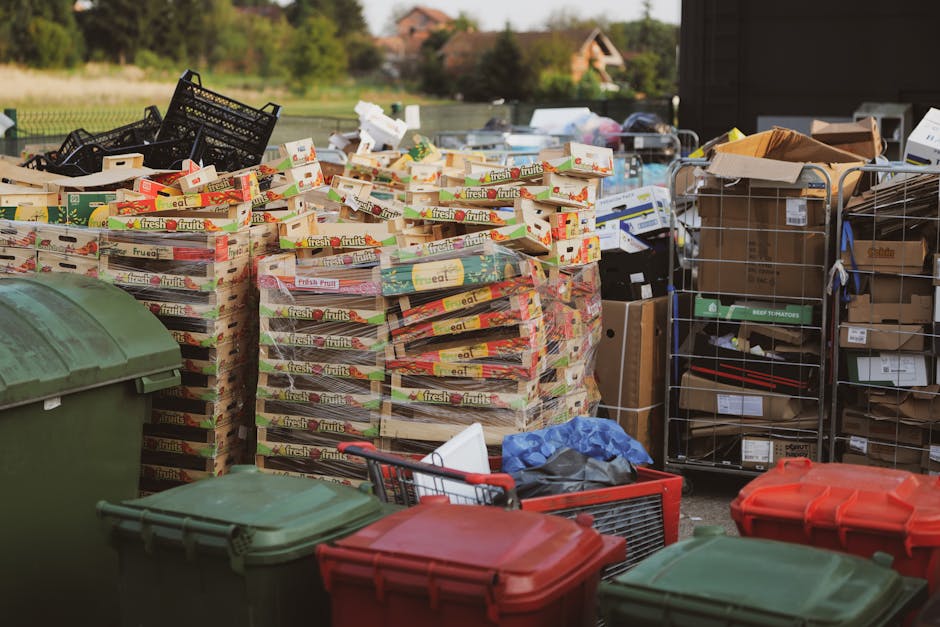
Bulk waste is one of those moving-day details that seems minor until it is right in front of you. A sofa that no longer fits the new flat. A wardrobe with one wobbly leg. Old shelving, a freezer, a desk, broken chairs, boxes of mixed junk. It all has to go somewhere, and "somewhere" cannot simply be the pavement outside your house.
In West Ham, bulk waste matters for three reasons. First, it affects street cleanliness and access. Narrow roads, shared entrances, and busy footpaths do not leave much room for items to be left out carelessly. Second, it matters for compliance. Councils typically expect residents to follow set rules around collection, placement, timing, and what counts as acceptable waste. Third, it affects your moving schedule. If you are working to a completion date, checkout inspection, or van slot, you do not want a disposal issue slowing everything down.
There is also a very practical side to it. Many people assume bulk waste can be left out on the day of the move and dealt with later. That sounds convenient, but it can cause headaches: blocked access, unwanted attention, or a missed collection window. And if you are moving from a flat, especially one with communal areas, the risk of causing inconvenience to neighbours is even higher. If you are already trying to keep the move smooth, a bit of planning goes a long way. Our guide to moving homes effortlessly pairs well with this because disposal planning is part of the job, not an afterthought.
Expert summary: Treat bulk waste as part of your move plan from day one. Decide what is being kept, donated, sold, recycled, or removed before the van is booked, and you will avoid most last-minute problems.
How Newham Council rules for bulk waste during West Ham moves Works
While the exact procedure can change over time, the broad principle is consistent: bulky items should be disposed of in the way the council expects, not just abandoned outside the property. For movers in West Ham, that usually means checking the appropriate council collection process, following placement instructions, and making sure items are left only when and where they should be.
In practical terms, this often comes down to a few moving parts:
- Booking or arranging collection properly, rather than assuming kerbside dumping is acceptable.
- Separating reusable items from true waste, so you are not paying or waiting to remove things that could be donated or sold.
- Understanding what qualifies as bulk waste. Large furniture, mattresses, white goods, and similar items are the usual examples.
- Checking access and timing so items are not left out too early, too late, or in a place that blocks pathways.
- Following household and communal rules if you live in a block, a shared terrace, or managed accommodation.
It helps to think of bulk waste as a logistics problem, not just a rubbish problem. If you are moving from a top-floor flat, for example, a heavy wardrobe needs to come down safely, be handled without damaging walls, and leave the building at a sensible time. If you are moving a piano, that is a different level again; special handling is often the wiser route, which is why piano removals in West Ham and professional piano moving advice are worth looking at when the item is delicate, awkward, or genuinely heavy.
Another useful thing to remember: councils usually care not only about the item itself, but about the condition and presentation of the waste. Loose debris, glass shards, leaking liquids, or mixed hazardous materials can complicate disposal. So if you are clearing a place properly, gather items neatly, tape shut anything sharp, and keep all the bits together. Small thing, big difference.
Key Benefits and Practical Advantages
Following the correct approach to bulk waste during a move does more than keep you on the right side of the rules. It makes the entire transition calmer. And if you have ever moved on a wet London morning with a stairwell full of boxes, you will know that calm is worth a lot.
- Cleaner handover: If you are ending a tenancy or selling a home, a tidy property is easier to leave in good condition.
- Less moving-day clutter: Clearing unwanted items early makes packing and loading simpler.
- Better access for removal crews: Hallways, doorways, and entry points stay usable.
- Reduced chance of complaint: Neighbours are less likely to be annoyed by abandoned items or blocked shared space.
- Safer lifting and handling: Fewer random last-minute loads means less rushed carrying.
- Smarter cost control: Choosing the right disposal route may prevent paying twice for the same item.
There is also an environmental upside. If you can reuse, donate, or recycle certain items instead of treating everything as waste, the move becomes more responsible as well as easier. That is not just a nice extra. It often saves time because you sort less at the end. We cover related practical thinking in our article on streamlining your belongings before the big move, which is a good companion read if your place has gradually accumulated a lot of "we'll deal with that later" items.
Small but useful reality check: the biggest benefit is often mental. Once the bulky clutter is gone, the move feels more manageable. Rooms look bigger. Decisions get easier. Funny how that works.
Who This Is For and When It Makes Sense
This topic matters to a lot of different people, not just homeowners with a van full of old furniture. In West Ham, bulk waste planning is especially relevant for:
- Tenants who need to leave a flat clean and empty before check-out.
- Homeowners replacing old furniture or clearing a property for sale.
- Students moving in or out with limited time and storage space.
- Families who are downsizing and need to reduce household volume.
- Landlords and letting agents dealing with end-of-tenancy clearances.
- Small businesses and office movers disposing of desks, chairs, filing units, or obsolete equipment.
It makes sense whenever an item is too large for normal bins, too awkward to carry without help, or too valuable to just dump without thinking. A worn-out sofa may be waste. A serviceable sofa, on the other hand, may be better suited to storage or reuse. If you are unsure, you may want to read about long-term sofa storage techniques or use storage in West Ham to buy yourself a bit of breathing room.
To be fair, this is also the point where people realise they have more stuff than they thought. The corner chair. The spare freezer. The exercise bike from 2019. The spare bits in the garage that are somehow too good to throw away and too useless to keep. Happens all the time.
Step-by-Step Guidance
If you want a tidy, low-stress way to handle bulk waste during a move, use a clear sequence. It sounds simple, but having a method stops the whole thing becoming a rush job.
- Walk through every room early. Do this before you start heavy packing. Identify bulky items, broken items, and anything that might need recycling, donation, sale, or disposal.
- Separate keep, move, and remove piles. Do not blur them together. Once a chair is in the wrong pile, it tends to stay there.
- Check whether an item can be reused. A good rule of thumb: if it still works and is decent enough to pass on, consider donation or resale rather than waste.
- Measure awkward items. If something will be dismantled, measure it before taking it apart. A quick notebook sketch helps more than people expect.
- Plan the disposal route. Decide whether items need collection, transfer, storage, or loading into the removal vehicle.
- Keep access clear. Hallways, front steps, lifts, and doorways should stay open enough for safe movement.
- Bag or bundle small parts. Screws, brackets, cables, and fittings should be taped or bagged to the main item.
- Coordinate timing with your move. Bulky waste should not be left too early if it risks blockages, and not too late if it creates a scramble.
- Take final photos if needed. If you are handing back a rental, record the cleared rooms and any items removed for your own peace of mind.
If the item is very heavy, not just large, use proper lifting methods or get help. Our kinetic lifting guide and solo lifting techniques article are useful if you are working with limited manpower, although for truly awkward items, it is usually wiser to bring in experienced help. Nobody wants to be the person who tried to wrestle a wardrobe through a narrow landing at 7 a.m. and lost.
Quick decision rule
If an item is bulky but reusable, think donation, resale, or storage. If it is bulky and damaged, think compliant disposal. If it is bulky and hazardous or unusually heavy, think specialist handling.
Expert Tips for Better Results
Experience shows that bulk-waste planning works best when it is handled in layers. Not everything needs the same level of effort. Some items just need to be carried out. Others need dismantling, sorting, or a proper disposal plan. The trick is knowing which is which before moving day arrives.
- Start with the biggest space-wasters first. Wardrobes, mattresses, sofas, and white goods tend to dominate the job.
- Use the move as a decluttering checkpoint. If you have not used it in a year, ask whether it truly deserves to be packed.
- Keep one "final waste" corner. Put all disposal-bound items together in a single area so they are easy to load or remove.
- Protect floors and walls while moving heavy items. A scuffed stair edge or chipped corridor wall can turn a simple clear-out into a frustration.
- Think about weather. Rain changes everything. Wet cardboard, slippery steps, and muddy footprints are not fun at the end of a day.
- Label disassembled furniture clearly. "Bed frame," "table legs," "desk hardware" - simple labels stop confusion later.
A small practical tip from the field: if you are clearing out a lot of furniture, do not leave the biggest item for last just because it is awkward. Usually, that is the item that ends up causing the delay. Get it moving while everyone still has energy.
For many households, working alongside a proper removals plan is what keeps the day sane. If you need a broader moving structure, removals in West Ham, house removals, or flat removals can help you coordinate the move itself, while the waste side is handled separately and cleanly.
Common Mistakes to Avoid
Most bulk-waste headaches are avoidable. The usual mistakes are not dramatic, but they are annoying enough to derail the day.
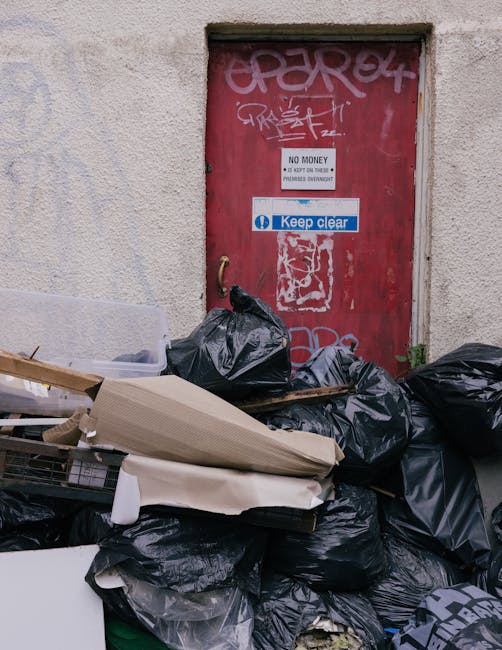
- Leaving items outside without checking rules first. This is the classic one. It looks tidy for a moment, then becomes a problem.
- Mixing reusable goods with waste. Once everything is dumped together, you lose the chance to recover value or reduce waste volume.
- Forgetting about access constraints. West Ham streets and shared entrances can be tight. A bulky item that seems manageable indoors may be a nightmare at the kerb.
- Ignoring dismantling time. Beds and wardrobes often take longer than people think.
- Not separating sharp or hazardous bits. Broken glass, old fittings, batteries, and liquid residues should be handled carefully.
- Booking the move too late. Once the van is on the clock, every extra trip hurts.
- Assuming the council will collect anything, anytime. That is not how most local systems work, and it is worth checking rather than guessing.
One more thing: do not keep changing your mind on the day. If the sofa is going, let it go. If the freezer is coming, make sure it is defrosted and ready. Mixed signals are the enemy of a calm move.
Tools, Resources and Recommendations
You do not need a huge toolkit to manage bulk waste well, but a few basics make life much easier.
- Permanent marker and labels for marking items and bags.
- Strong tape and ties to secure loose parts.
- Gloves for rough or dusty items.
- Furniture sliders or blankets to reduce floor damage.
- A tape measure for door frames, stair turns, and oversized items.
- Basic toolbox for dismantling flat-pack furniture and bed frames.
- Bin bags or sacks for small mixed waste and fixings.
For information and planning, the most useful resources are often the ones already around your move. Your tenancy agreement, estate agent notes, building rules, and local council instructions all matter. On the service side, it helps to understand the difference between general moving support and specialist help. Our services overview gives a broader sense of what can be included, while man with a van in West Ham and man and van support are useful for smaller loads or flexible clearance jobs.
If you are dealing with furniture in poor condition, you may also want to look at furniture removals in West Ham rather than trying to improvise a one-size-fits-all plan. And if the move is tied to a busy schedule, same-day removals can be worth considering, though it is best used with realistic expectations and clear access.
Law, Compliance, Standards, or Best Practice
This is the bit people often skim, then regret skimming. Bulk waste disposal sits at the intersection of council rules, property responsibilities, and general waste handling best practice. You do not need to become an expert in environmental law to move home sensibly, but you do need to understand a few basics.
First: do not leave waste in a public place unless you are following the correct collection process. That includes pavements, road edges, communal stairwells, and shared bin areas when those areas are not intended for bulk disposal.
Second: check your tenancy or lease terms. Some landlords, managing agents, or housing blocks have their own clearance expectations. These can sit alongside council guidance.
Third: think about duty of care in practical terms. If an item is likely to leak, break, injure someone, or obstruct access, it needs careful handling. That is not just a "best practice" point; it is common-sense risk management.
Fourth: separate waste streams where sensible. General waste, reusable furniture, electrical items, and hazardous pieces should not be treated as the same thing. Mixing them can create avoidable issues.
Finally: keep records where they matter. If you have arranged a clearance, handed items to a mover, or taken photos for a check-out, keep the evidence. It sounds a bit formal, but when there is a dispute, those details matter.
Best practice is simple: plan early, keep things tidy, and do not assume the rules are flexible just because you are in a hurry. Hurrying tends to create the very problems people are trying to avoid. Classic move-day irony.
Options, Methods, or Comparison Table
There is more than one way to deal with bulky items during a move. The right choice depends on the item, the timeframe, and how much physical work you want to take on.
| Method | Best for | Pros | Watch-outs |
|---|---|---|---|
| Council bulk collection | Reliable disposal of large items | Simple for approved waste, less lifting overall | Timing may be limited; items usually need to be prepared properly |
| Donation or resale | Reusable furniture and household goods | Reduces waste, may recover some value | Requires time, condition checking, and sometimes collection coordination |
| Self-load into removal van | Smaller bulky loads or mixed move-and-clear jobs | Flexible and efficient if well planned | You still need to handle disposal correctly at the other end |
| Storage first, decide later | Uncertain items or delayed move dates | Buys time and reduces panic | Storage costs and extra handling can add up |
| Specialist removal support | Heavy, awkward, or fragile bulky items | Safer handling and less risk of damage | May cost more than DIY, though often worth it |
For many West Ham moves, the smartest option is a mix: donate a couple of usable items, store one or two uncertain pieces, and remove the rest in one organised sweep. That sort of blended approach is often more realistic than forcing everything into one disposal route.
Case Study or Real-World Example
Imagine a tenant moving out of a second-floor flat near West Ham station. They have a bed frame, an old sofa, a small freezer, and a stack of worn chairs from a previous flat share. At first glance, it looks like a straightforward dump-and-go job. But once they start planning, a better picture emerges.
The bed frame can be dismantled early and loaded with the moving van. The freezer needs defrosting and time. The sofa is usable, so it is better assessed for resale or storage. The chairs are mixed quality - two are kept, three are beyond saving. By sorting them before the move, the tenant avoids dragging everything through the stairwell at the last minute.
What changed the outcome? Three things. They started early, they treated bulk waste as a separate task, and they used the move itself as a decluttering moment. The result was not glamorous, but it was calm. The final handover took less time, the hallway stayed clear, and there was no ugly pile outside the building at 10 p.m. on moving day.
If that sounds like the boring version of moving, fair enough. But boring is often what you want when you are carrying a freezer down stairs.
Practical Checklist
Use this checklist a few days before your move.
- Identify every bulky item in each room.
- Decide whether each item will be kept, sold, donated, stored, or disposed of.
- Check building, landlord, or council rules before leaving anything outside.
- Measure large items against doors, lifts, and stair turns.
- Set aside tools for dismantling furniture.
- Bundle screws, brackets, and loose fittings in labelled bags.
- Protect floors, walls, and corners with blankets or coverings.
- Arrange help for anything too heavy to lift safely on your own.
- Keep access routes clear on the day.
- Take final photos once the room is cleared if you need evidence of condition.
- Confirm how reusable items will be handled before they become "just rubbish."
Quick reminder: if a bulky item is still in decent condition, do not rush it into the waste pile. You may be giving away value without meaning to.
Conclusion
Understanding Newham Council rules for bulk waste during West Ham moves is really about protecting your time, your energy, and your moving day sanity. When you know what needs to be kept, what can be reused, and what has to go through the correct disposal route, the whole move becomes more manageable. There is less clutter, less lifting, and far fewer unpleasant surprises at the end of the day.
If you are planning a move in West Ham, the best outcome usually comes from a simple formula: sort early, move carefully, and dispose of bulky items in a way that fits both the property and the local rules. That approach works whether you are leaving a flat, clearing a family house, or handling a mixed load with awkward furniture and a tight schedule.
And if you want support with the moving side of things, it helps to work with a team that understands local access, lifting, packing, and safe transport. You can learn more about the business on the about us page or explore pricing and quotes when you are ready to compare options.
Get a free quote today and see how much you can save.
In the end, a good move is not just about getting from one address to another. It is about leaving the old place properly, with less noise, less waste, and a bit more peace of mind. That matters more than people think.